
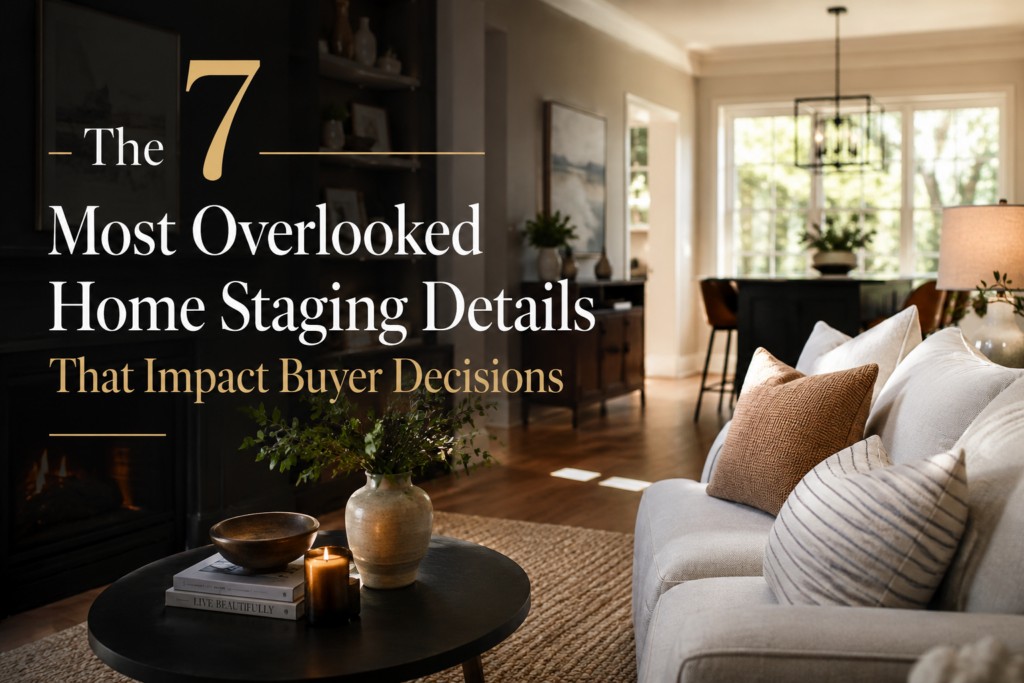
The 7 Most Overlooked Home Staging Details That Impact Buyer Decisions
So, you’re prepping to sell your home, and naturally, home staging is on your radar. We all know the biggies: declutter, clean, neutralize paint colors. But what about the little things? The details that often get overlooked but can subtly, or not-so-subtly, sway a buyer’s decision? These aren’t just minor adjustments; they’re often the finishing touches that create a sense of aspiration and comfort, making a house feel like home to a prospective buyer. They’re the silent persuaders that distinguish between a good showing and a truly memorable one.
The Unseen Power of Small Details
Think about it: when you walk into a beautifully designed space, it’s not just the large furniture pieces that impress you. It’s the texture of the throw, the gentle aroma, the way the light catches a particular curtain. These elements contribute to an overall feeling, a vibe that words often fail to capture but that your brain certainly registers. In home staging, mastering these details means creating an immersive experience for buyers, allowing them to envision their future within those walls. It’s about crafting an emotional connection, not just showcasing square footage.
Buyers aren’t just looking with their eyes; they’re experiencing your home with all their senses. Ignoring any of these can leave a lasting, even if subconscious, negative impression.
Sound Savvy: A Quiet Transformation
While you might not think about “staging” sound, its absence or presence plays a huge role. Imagine a showing with traffic blaring, or the hum of an old appliance.
Eliminating Unwanted Noise
Before a showing, consider turning off dishwashers, washing machines, and any loud fans. If you have an old refrigerator that constantly rumbles, perhaps consider a temporary solution or highlight its future replacement in your disclosure. For external noise, if possible, close windows in noisy areas.
Introducing Pleasant Ambiance
Sometimes, a little background noise can be good. Soft, instrumental music at a very low volume can create a relaxing atmosphere. Avoid anything with lyrics or a strong beat that might distract or impose a specific style. Think spa-like rather than concert hall.
Scent Sense: More Than Just “Clean”
Everyone knows to eliminate bad odors, but what about creating good ones? And no, I’m not talking about baking cookies during every showing (unless you have boundless energy!).
Neutralizing Odors Effectively
Open windows for fresh air as much as possible. Invest in professional carpet cleaning if necessary, especially if you have pets. Air purifiers can also help. The goal is no discernible scent – neither good nor bad – or a very subtle, natural one.
Subtle, Inviting Aromas
Instead of overpowering scents, choose very light, fresh aromas. Diffusers with essential oils like citrus, very light floral, or even a subtle “clean linen” scent can work wonders. The key is subtlety; you shouldn’t be able to easily identify the source. Avoid heavy candles or strong air fresheners, as these can be off-putting or even trigger allergies.
Tactile Temptations: The Feel of a Home
This is where comfort comes in. Buyers subconsciously assess the tactile elements of a home.
Soft Touches and Textures
Think about throw blankets carefully draped on a sofa, plush bath mats, or decorative pillows with interesting textures. These invite buyers to imagine themselves relaxing in the space. Even the feel of a door handle can impact perception.
Highlighting Quality Surfaces
If you have nice countertops or flooring, ensure they are spotless and polished. The smooth, cool feel of granite or the warmth of hardwood underfoot can be a selling point.
The Visual Impact Beyond the Obvious
Beyond the typical decluttering and depersonalizing, there are visual nuances that often get overlooked.
Lighting: Not Just Brightness, But Mood
Lighting is one of the most powerful tools in staging, yet it’s often reduced to just “turn all the lights on.” It’s about creating an atmosphere.
Layered Lighting for Ambiance
Don’t just rely on overhead lights. Incorporate table lamps and floor lamps to create different “zones” of light. This adds depth and warmth to a room. Use warmer-toned bulbs where appropriate to create a cozy feel.
Window Treatments: More Than Just Privacy
Curtains and blinds significantly impact how light enters a room and the overall feel. Sheer curtains can soften harsh sunlight and maintain privacy while still allowing natural light in. Ensure all window treatments are clean, in good repair, and hung correctly (preferably high and wide to make windows appear larger). Consider removing heavy, dated drapes that block light.
Strategic Mirror Placement
Mirrors are fantastic for making rooms feel larger and brighter by reflecting light. Place them strategically across from windows or in darker corners to amplify natural light and expand the perception of space. Ensure frames complement the room’s aesthetic.
Thoughtful Vignettes: Storytelling Through Decor
A vignette is a small, carefully arranged grouping of objects that tells a story or highlights a feature. Many stagers overlook the power of these mini-displays.
Creating Inviting Corner Stories
Instead of just scattering decor, create small, purposeful arrangements. On a console table, perhaps a stack of beautiful books, a small plant, and a unique decorative object. In a bedroom, a bedside table might feature a carafe of water and a current magazine (not your personal read!). These details make a room feel lived-in but aspirational.
Emphasizing Functionality with Style
Showcase how a space can be used. A small desk in a guest bedroom might have a stylish notebook and pen, implying it’s a perfect spot for journaling or quick work. The key is to suggest usage without cluttering.
The Details of Practicality and Maintenance

Even the most beautiful staging can be undermined by practical failings. These elements speak to a home’s maintenance and future cost for a buyer.
Hardware Harmony: A Cohesive Look
It might seem minor, but mismatched or dated hardware can really shout “old house” or “piecemeal updates.”
Matching Finishes for Appliances and Fixtures
Consistency is key. If you have stainless steel appliances, try to have pull handles, faucets, and light fixtures that complement that finish, or at least don’t clash vehemently. Dated brass or chrome can instantly age a kitchen or bathroom.
Upgrading Old Knobs and Pulls
This is a relatively inexpensive update that can have a huge impact. Swapping out old kitchen cabinet knobs or drawer pulls for modern, cohesive ones can instantly refresh a space. Do the same for bathroom cabinets and even interior door handles if they are particularly egregious. Look for styles that are current but also somewhat timeless.
The Power of Plump: Fullness and Comfort
Sagging furniture or flat pillows make a space look tired and uninviting.
Fluff and Arrange Pillows and Cushions
Before every showing, take the time to fluff all sofa cushions and decorative pillows. A plump pillow looks inviting and comfortable, while a flat one looks neglected. Arrange them artfully to create a welcoming vibe.
Ensuring Cushions are Full and Supportive
If your sofa or chair cushions are noticeably sagging, consider having them restuffed or adding inserts to make them look fuller. This goes a long way in presenting furniture as comfortable and well-maintained. A saggy couch doesn’t scream “dream home.”
The Outdoor Oasis: Beyond Curb Appeal

Curb appeal is often talked about for the frontal view, but what about the rest of the outdoor spaces? These are crucial for buyers looking for a complete lifestyle.
Backyard Bliss: Extending Living Space
Many buyers are looking for functional outdoor spaces. Don’t let your backyard be an afterthought.
Creating Defined Outdoor Zones
If you have a patio, create a distinct dining area with an outdoor table and chairs, even if it’s a small bistro set. If there’s space for lounging, add comfortable outdoor seating. Use an outdoor rug to define the space and add warmth.
Highlighting Privacy and Greenery
Trim back overgrown bushes that block light or views. Ensure fences are in good repair. Add potted plants and fresh flowers to bring life and color to empty corners. Even a small herb garden can suggest a desirable lifestyle. Don’t forget to sweep and pressure wash patios or decks.
Garage and Utility Areas: Order Out of Chaos
These spaces might not be glamorous, but their cleanliness and functionality are telling.
Decluttering and Organizing Storage Spaces
The garage is often a dumping ground. Buyers will look there, envisioning where their stuff will go. Clear out as much as possible, organize tools neatly on pegboards, and stack boxes methodically. If you have built-in shelving, showcase its utility.
Sparkling Clean Utility Rooms
Even the laundry room or a utility closet needs attention. Wipe down appliances, clean floors, and ensure there’s nothing unsightly in plain view. A neat and organized utility space implies a well-maintained home.
The Digital Details: Preparing for Online Viewings
| Staging Detail | Impact on Buyer Decisions |
|---|---|
| Lighting | Can make a space feel larger and more inviting |
| Clutter | Can make a space feel smaller and distract buyers from the potential of the home |
| Personal Items | Can make it difficult for buyers to envision themselves in the home |
| Wall Color | Can influence the mood and perception of the space |
| Odors | Can turn off potential buyers and make them less likely to consider the home |
| Furniture Placement | Can highlight the flow and functionality of the space |
| Curb Appeal | Can create a strong first impression and draw buyers in |
In today’s market, many buyers start their search online. What they see in photos and virtual tours is their first impression, and often, the only opportunity they have to truly decide if they want to physically visit your home.
Photo-Ready Perfection: Every Angle Counts
Professional photos are a given, but ensuring every detail is photo-ready is critical. What looks fine in person can appear messy or dated in high-resolution imagery.
Pre-Shoot Cleanliness and Accessibility
Before the photographer arrives, do a final run-through as if a buyer were walking in right then. This means not just straightening, but ensuring all light bulbs are working (and visually consistent), cords are tucked away, and pet bowls are out of sight. Remember that photos capture everything, even that tiny bit of dust on the baseboard that you might overlook with the naked eye.
Optimizing Layout for Smaller Spaces in Photos
For smaller rooms, furniture placement directly impacts how open or cramped they appear in a photo. Position pieces to maximize perceived space and flow. Use mirrors strategically, as mentioned before, to reflect light and expand the room visually in photographs. Ensure there’s enough negative space – areas without furniture or clutter – for the eyes to rest.
Virtual Tour Vibrancy: Seamless Experience
Virtual tours and 3D walkthroughs are becoming standard. These offer a more immersive experience than static photos, so every detail needs to be in its perfect place.
Consistent Staging Throughout the Entire Home
Unlike photos where you might stage one angle and move things, a virtual tour allows buyers to “walk through” the entire home. This means consistent staging from room to room. Every corner, every countertop, and every floor needs to be impeccable. There’s no hiding a messy utility room when a buyer can click their way into it.
Leveraging Technology for Highlighting Features
If your virtual tour provider allows for interactive tags or annotations, use them to draw attention to specific, desirable features that might otherwise be missed. For instance, tag a smart home device, a newly installed faucet, or a custom built-in shelf. This guides the buyer’s eye and ensures they don’t miss those carefully chosen details.
By paying attention to these overlooked details, you’re not just staging a house; you’re crafting an experience. You’re inviting buyers to envision their best life within your walls, increasing their emotional connection and, ultimately, their willingness to make an offer. These aren’t just minor tweaks; they’re strategic moves that create a lasting, positive impression.